

Searching for a skin doctor near me is often the first step when a skin problem becomes difficult to manage. While minor irritation may improve with basic skincare, some concerns need proper medical evaluation and treatment.
Acne that keeps coming back, unexplained rashes, persistent itching, hair fall, pigmentation, or recurring infections can have different causes. Treating the visible symptoms without understanding the cause may not provide lasting results.
A dermatologist can examine your skin, hair, or nails and help determine what may be causing the problem. This makes professional guidance especially useful when a condition is persistent, painful, recurring, or getting worse.
Which Skin Problems Need Expert Treatment?
Not every skin concern requires a doctor’s appointment. However, certain symptoms should not be ignored.
Here are some common situations where seeing a skin doctor can be helpful.
Persistent or Severe Acne
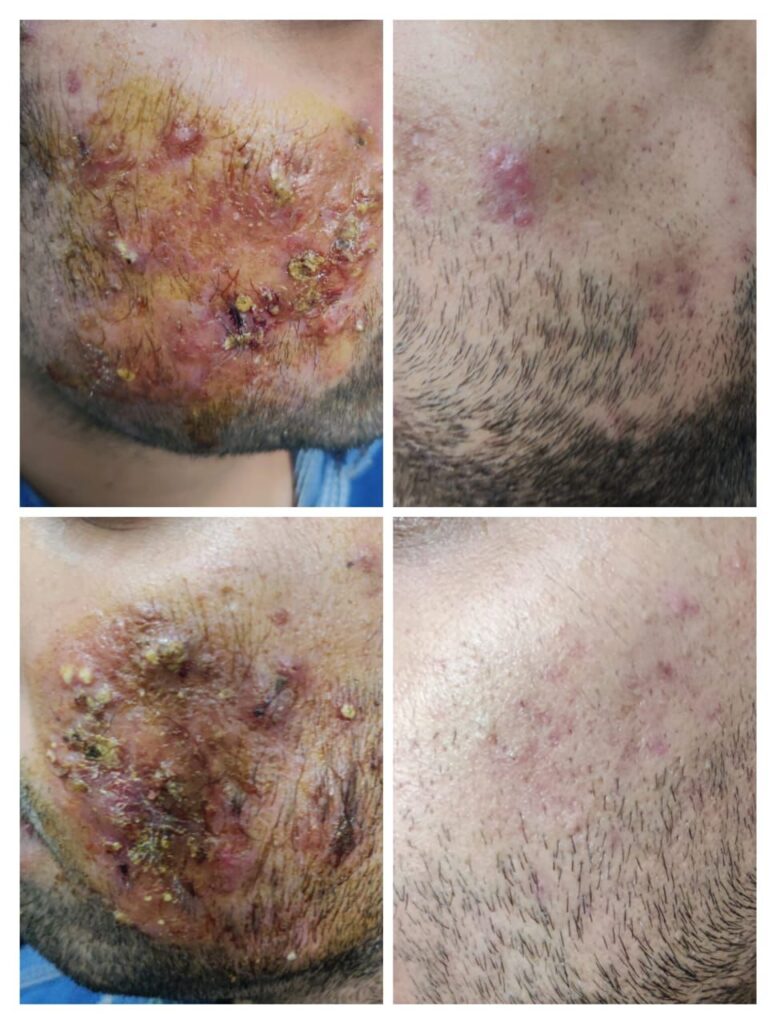
Occasional pimples are common, but acne that continues for months, becomes painful, or leaves marks and scars may need professional treatment.
Severe acne can include deep, painful bumps, cysts, or frequent breakouts. A dermatologist can identify the type and severity of acne and recommend treatment based on your skin condition.
If you have tried several products without improvement, avoid continuously switching between skincare products. A professional consultation may help identify the underlying problem.
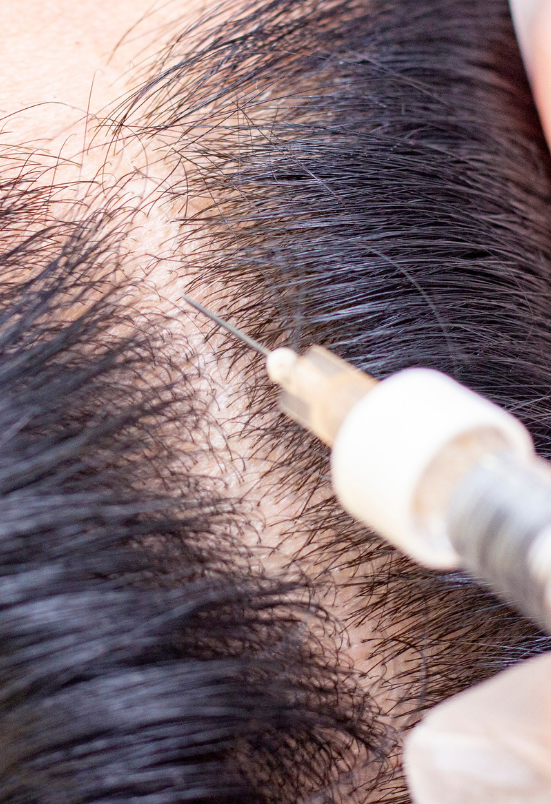
Sudden or Excessive Hair Fall
Hair shedding is normal to some extent, but sudden or excessive hair loss deserves attention.
Hair fall can have several possible causes, including genetics, nutritional problems, hormonal changes, scalp conditions, stress, or other factors.
A dermatologist can examine your scalp and hair pattern and determine whether further evaluation or treatment may be required.
Seek professional advice if you notice:
- Sudden increase in hair shedding
- Visible thinning
- Patchy hair loss
- Receding hairline
- Scalp itching or scaling
- Hair loss that continues for a long period
Persistent Itching or Skin Rashes
Itching can occur because of dryness, allergies, insect bites, irritation, or other causes. But when itching continues or repeatedly returns, it may require medical evaluation.
Skin conditions such as eczema, dermatitis, psoriasis, allergies, and infections can cause itching, redness, dryness, or scaling.
Instead of repeatedly applying different creams, consider seeing a dermatologist if the symptoms are persistent or worsening.
Pigmentation and Dark Spots
Dark spots and uneven skin tone are common concerns. They can develop after acne, sun exposure, inflammation, hormonal changes, or other factors.
Because pigmentation can have different causes, treatment should not be based only on the appearance of the skin.
A dermatologist can assess the condition and suggest suitable treatment and skincare based on the cause.
Avoid using strong bleaching or steroid-containing creams without medical advice. Incorrect products can sometimes worsen pigmentation or cause other skin problems.
Recurring Fungal Infections
Fungal infections may cause redness, itching, scaling, or ring-shaped patches on the skin.
One common problem is treating a suspected fungal infection without confirming the diagnosis. Some other skin conditions can look similar, so the correct diagnosis is important.
If an infection keeps returning, spreads to other areas, or does not improve with appropriate treatment, consult a dermatologist.
Warts, Moles, and Other Skin Growths
Many skin growths are harmless, but a new or changing growth should be examined when there are noticeable changes.
Pay attention to:
- Changes in size
- Changes in colour
- Irregular borders
- Bleeding
- Crusting
- Persistent itching
- Pain
- A growth that continues to change
A dermatologist can examine the area and determine whether further evaluation is needed.
When Should You Visit a Skin Doctor?
A simple way to decide is to consider the duration, severity, and recurrence of your symptoms.
You should consider professional advice if:
The problem is persistent:
Your symptoms continue despite basic care.
The problem keeps returning:
Repeated flare-ups may indicate an underlying condition.
The symptoms are getting worse:
Increasing pain, redness, itching, swelling, or hair loss should be evaluated.
The condition affects your daily life:
Persistent skin problems can affect comfort, confidence, and routine activities.
Home treatment is not helping:
Repeatedly trying different products may delay appropriate treatment.
Can You Treat Skin Problems at Home?
Basic skincare can help maintain healthy skin, but home treatment is not suitable for every condition.
A gentle cleanser, moisturiser, sun protection, and avoiding known irritants can support general skin health. However, persistent acne, unexplained rashes, infections, severe pigmentation, or significant hair loss may require professional assessment.
It is particularly important to avoid using prescription medicines or strong steroid creams without medical guidance.
How Do I Choose the Right Skin Doctor Near Me?
Finding a nearby clinic is convenient, but proximity should not be the only factor.
Check the Doctor’s Expertise
Choose a dermatologist who regularly deals with your specific concern, whether it is acne, pigmentation, hair loss, allergies, infections, or another condition.
Consider the Consultation Experience
A good consultation should allow you to explain your symptoms and ask questions about possible causes and treatment options.
Look for Convenient Follow-Up
Some skin and hair concerns require follow-up appointments. A clinic that is convenient to reach can make it easier to continue your treatment plan.
Do Not Choose Treatment Only from Online Trends
Social media skincare advice may be useful for general information, but everyone’s skin is different. A treatment that works for one person may not be appropriate for another.
Professional evaluation is especially important when symptoms are persistent or severe.
Why Choose a Skin Doctor in Rohini?
If you live in Rohini or nearby parts of Delhi, choosing a local dermatologist can make consultations and follow-up visits more convenient.
Oswal Jain Skin Clinic is located at Ayodhya Chowk, Sector 3D, Rohini, Delhi. The clinic provides a convenient location for people looking for professional care for various skin and hair concerns.
The clinic address is:
1st Floor, 227/D-15, Above Khowal Jewellers / Hum Sabki Rasoi, Ayodhya Chowk, Sector 3D, Rohini, Delhi – 110085
Consultation Timings: 12:00 PM to 8:00 PM
Quick Guide: Is It Time to See a Skin Specialist?
Use this simple checklist:
| Skin Concern | When to Consider Expert Care |
|---|---|
| Acne | Persistent, painful, severe, or scarring |
| Hair fall | Sudden, excessive, patchy, or ongoing |
| Pigmentation | Persistent or worsening dark patches |
| Rash | Recurring, spreading, painful, or itchy |
| Fungal infection | Recurring or not improving |
| Mole or skin growth | New or noticeable changes |
| Itching | Persistent or unexplained |
The goal is not to visit a dermatologist for every minor skin change. The goal is to recognise when professional evaluation may be useful.
Frequently Asked Questions
1. When should I see a skin doctor near me?
You should consider seeing a skin doctor when a skin, hair, or nail concern is persistent, recurring, painful, worsening, or not improving with basic care.
2. Can a skin doctor treat acne?
Yes. A dermatologist can assess the type and severity of acne and recommend an appropriate treatment plan. Professional care can also help manage acne marks and reduce the risk of scarring.
3. Should I see a dermatologist for hair fall?
Yes, especially when hair fall is sudden, excessive, patchy, or continues for a long period. A dermatologist can evaluate the scalp and hair and identify possible causes.
4. Can pigmentation be treated by a skin doctor?
Yes. A dermatologist can identify possible causes of pigmentation and recommend suitable treatment based on the condition and your skin type.
5. Is a skin doctor the same as a dermatologist?
The term “skin doctor” is commonly used for a dermatologist. A dermatologist is a medical doctor who specialises in conditions affecting the skin, hair, and nails.
Helpful Resources from Oswal Jain Skin Clinic
https://oswaljainskinclinic.com
https://oswaljainskinclinic.com/contact
https://oswaljainskinclinic.com/about
Take Action for Your Skin Health
Persistent skin problems should not be ignored or treated endlessly with random products. Getting the right diagnosis can help you understand the problem and choose an appropriate treatment approach.
If you are searching for a skin doctor near me in Rohini, Delhi, contact Oswal Jain Skin Clinic for a professional consultation.
Oswal Jain Skin Clinic
1st Floor, 227/D-15, Above Khowal Jewellers / Hum Sabki Rasoi
Ayodhya Chowk, Sector 3D, Rohini, Delhi – 110085
Call: +91 94172 37526 | +91 94785 08950
Email: oswaljainskinclinic@gmail.com
Timings: 12:00 PM – 8:00 PM
Don’t wait for a persistent skin or hair concern to get worse. Schedule a dermatology consultation and take the next step toward healthier skin.