
Trying home remedies for acne is common. You may have tried changing your diet, applying natural ingredients, washing your face more often, or using different products recommended online. Sometimes these changes may help support healthier skin, but acne can continue even when you are following a careful routine.
So, what should you do when home remedies stop working?
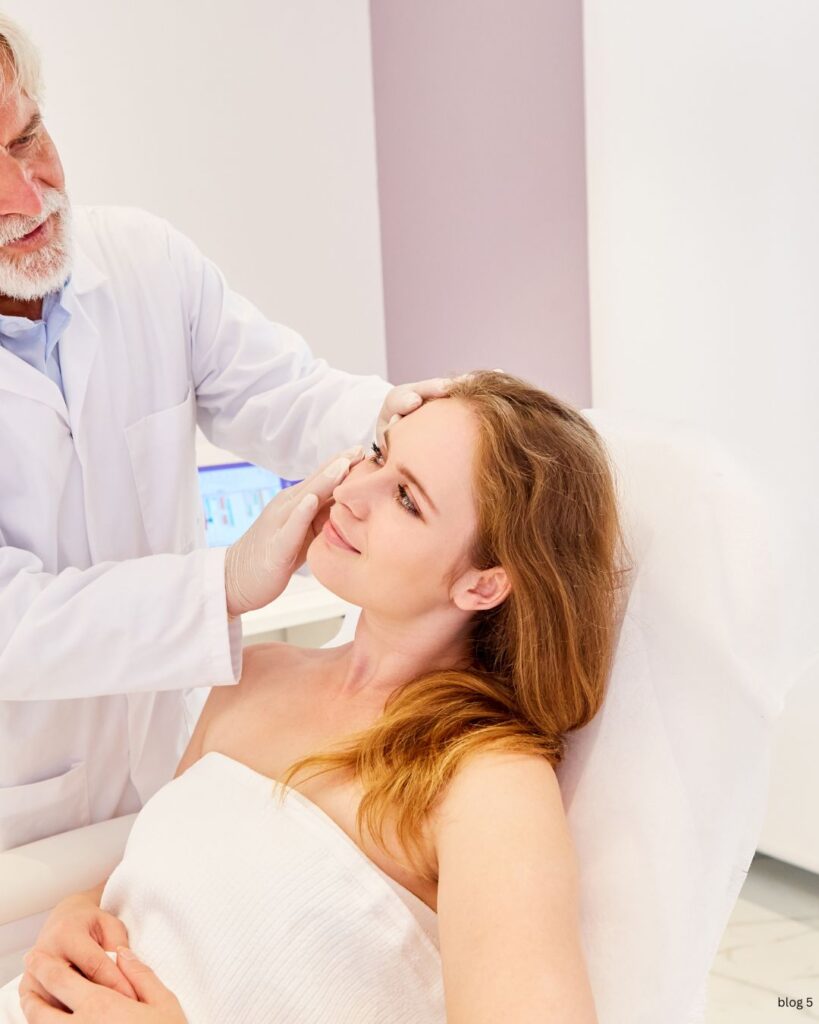
The next step is not to keep trying more and more DIY treatments. Persistent acne may need a proper assessment to understand its type, severity, triggers, and the treatment that is most suitable for your skin. Dermatologists can recommend treatments based on the type of acne and whether there is inflammation, scarring, pigmentation, or recurring breakouts.
Why Do Home Remedies Sometimes Fail to Treat Acne?
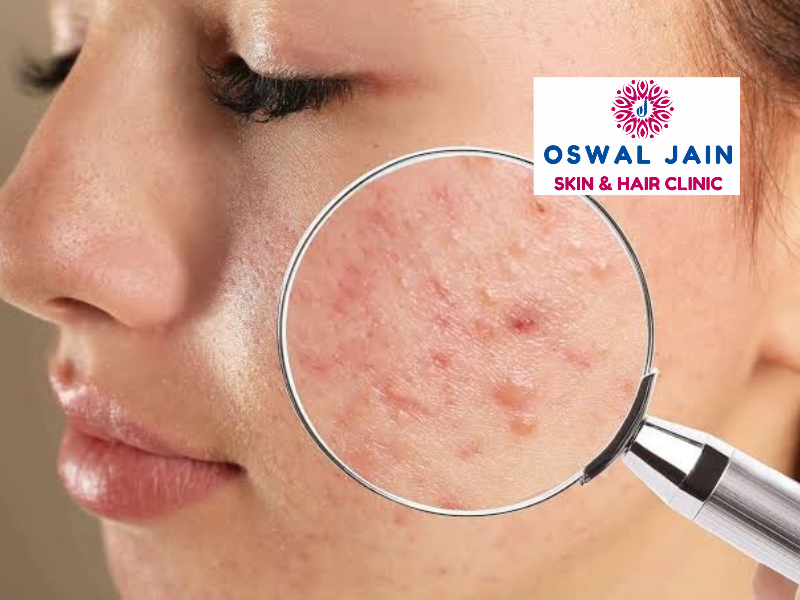
Acne is not caused by just one factor. It can involve clogged pores, excess oil, inflammation and changes involving skin bacteria. Different types of acne may also need different approaches.
For example, blackheads and whiteheads are mainly related to clogged pores, while deeper nodules and cysts involve more significant inflammation. Using the same home remedy for every type of acne may therefore produce limited results.
Another problem is that some DIY methods can irritate the skin. Scrubbing, squeezing pimples, or repeatedly changing products can damage the skin barrier and potentially make breakouts worse.
How Long Should Acne Treatment Take to Work?
One of the biggest reasons people feel that an acne treatment is not working is expecting results too quickly.
Acne treatments generally need consistent use and time. Depending on the treatment, some improvement may become noticeable after several weeks, while clearer skin can take several months. Dermatologists from the American Academy of Dermatology recommend giving an acne treatment enough time to work rather than changing products every few days.
If you have been using a suitable treatment consistently for several weeks without improvement, or your acne continues to worsen, it may be time to speak with a dermatologist.
What Should You Do When Home Remedies Stop Working?
1. Stop experimenting with too many products
When acne does not improve, it can be tempting to add another cream, face wash, serum or home remedy.
This can backfire.
Using several active products together may cause dryness and irritation, making the skin more uncomfortable and potentially worsening breakouts. A simpler routine with carefully selected products is often easier to follow consistently.
2. Identify what type of acne you have
Not every breakout is the same.
Acne may appear as:
- Blackheads
- Whiteheads
- Small red bumps
- Pus-filled pimples
- Deep, painful nodules
- Cysts
Treatment depends partly on the type and severity of acne. For example, blackheads and whiteheads may benefit from treatments that help unclog pores, while deep or painful acne often requires professional dermatological management.
Understanding the type of acne is therefore more useful than simply searching for another quick fix.
3. Avoid popping or squeezing pimples
A pimple may look like it needs to be removed immediately, but squeezing it can increase inflammation and raise the risk of discoloration and scarring.
This is especially important with deep, painful acne. Attempting to squeeze these lesions can make them more noticeable and increase the risk of complications.
If acne is repeatedly leaving dark marks or scars, professional treatment becomes even more important.
4. Use acne-friendly skincare
Your daily skincare routine can either support acne management or contribute to irritation.
Consider using gentle products and look for labels such as non-comedogenic or oil-free when appropriate. Avoid aggressive scrubbing and excessive washing because irritated skin may become more difficult to manage.
A basic routine can include gentle cleansing, appropriate acne treatment, moisturizer and sun protection suited to your skin type.
5. Consider evidence-based acne treatment
When home remedies are not enough, a dermatologist may recommend evidence-based topical or prescription treatments depending on your acne.
Common acne-treatment ingredients include retinoids, benzoyl peroxide, salicylic acid and azelaic acid. More severe acne may require prescription medicines or other dermatological approaches. Current clinical guidance recommends selecting treatment according to acne severity, individual circumstances and treatment preferences.
The goal is not simply to dry out pimples. Treatment should also help prevent new breakouts and reduce the risk of long-term marks or scars.
When Should You See a Dermatologist for Acne?
You do not necessarily have to wait until acne becomes severe before consulting a dermatologist.
A professional evaluation can be particularly useful if:
- Acne has continued despite consistent skincare or over-the-counter treatment.
- You have deep or painful pimples.
- Acne is leaving dark marks or scars.
- Breakouts are becoming more frequent.
- Acne is affecting your confidence or daily life.
- You are unsure whether the bumps are actually acne.
- You have tried several products without lasting improvement.
The American Academy of Dermatology recommends dermatological care when acne does not clear with appropriate over-the-counter treatment and notes that deep nodules or cysts may need professional treatment.
Can Acne Be Treated Without Home Remedies?
Yes. Home skincare can be part of acne management, but it should not be the only approach when acne is persistent or significant.
A dermatologist can assess your skin and determine whether you need topical treatment, prescription medication, procedures, or a combination of approaches. The treatment plan can also be adjusted depending on how your skin responds.
There is no single acne treatment that works equally well for everyone. The right approach depends on the type and severity of acne, your skin, previous treatments and other individual factors.
What About Acne Marks After Breakouts?
Acne can leave behind dark spots even after the active pimple has disappeared. These marks are different from acne scars and may require a different approach.
The first priority is controlling ongoing acne. Continuing to develop new breakouts can lead to more post-acne marks.
Once acne is under better control, a dermatologist can assess pigmentation or scarring and recommend appropriate options based on your skin and the type of marks present.
Frequently Asked Questions About Acne Treatment
1. What should I do if home remedies are not clearing my acne?
Stop adding multiple new remedies and consider consulting a dermatologist. Persistent acne may need a treatment plan based on the type and severity of your breakouts.
2. How long does acne treatment take to work?
Acne treatment usually takes several weeks to show noticeable improvement. Some treatments may take several months for fuller results, so consistency is important.
3. Can home remedies make acne worse?
Yes. Some DIY methods, aggressive scrubbing, frequent product changes and squeezing pimples can irritate the skin and potentially worsen breakouts.
4. When should I see a dermatologist for acne?
Consider seeing a dermatologist if acne persists despite appropriate treatment, becomes deep or painful, repeatedly leaves marks, or starts causing scars.
5. Can acne scars be prevented?
Early and appropriate acne management can help reduce the risk of severe acne and the scarring associated with deeper inflammatory breakouts. Avoiding picking and squeezing pimples is also important.
Suggested Internal Links
https://oswaljainskinclinic.com/blogs
https://oswaljainskinclinic.com/
https://oswaljainskinclinic.com/contact/
When Home Remedies Are Not Enough, Get the Right Acne Care
If your acne keeps returning despite trying home remedies and different skincare products, continuing to experiment may not solve the underlying problem.
A dermatologist can identify the type of acne you have, assess its severity and recommend a treatment approach suited to your skin.
For persistent acne, painful breakouts, recurring marks or acne scars, consider consulting Dr. Varun Jain at Oswal Jain Skin & Hair Clinic, Rohini for a personalized evaluation.
Book your consultation today and take the next step toward clearer, healthier-looking skin with a treatment plan designed for your specific acne concerns.