
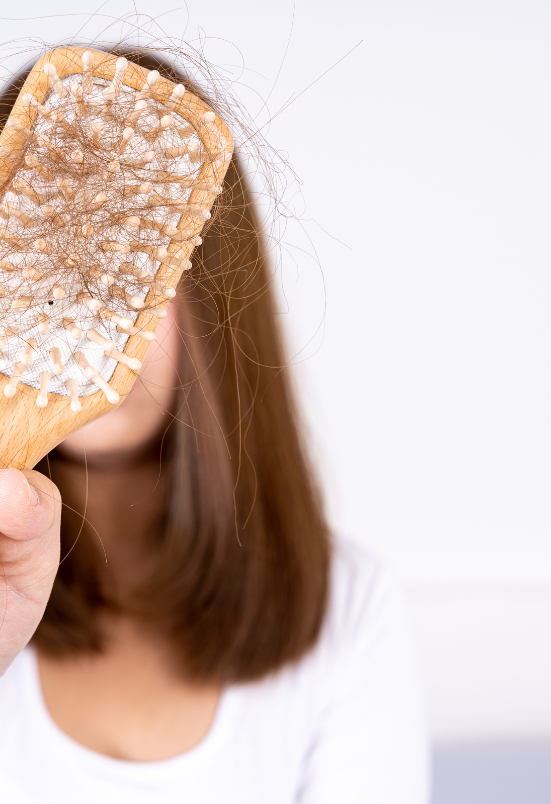
Hair fall can be confusing, especially when your scalp looks completely normal. There may be no dandruff, redness, itching or visible infection, yet you may notice more hair on your pillow, comb, shower drain or clothes.
So, why does hair fall happen when the scalp looks healthy?
The answer is that hair loss does not always begin with a visible scalp problem. Hair growth can be affected by genetics, hormones, stress, illness, nutrition, medications and changes in the normal hair-growth cycle. In some conditions, the scalp can look healthy while hair shedding or thinning is already taking place.
Is Hair Fall Normal?
Some daily hair shedding is normal. The American Academy of Dermatology notes that people normally lose around 50 to 100 hairs a day as part of the natural hair-growth cycle. However, noticeably increased shedding, gradual thinning, a widening hair part or a receding hairline may indicate a hair-loss condition rather than normal shedding.
The important point is that the amount and pattern of hair loss matter more than simply counting individual hairs.
Why Is My Hair Falling Out If My Scalp Looks Healthy?
There are several possible reasons.
1. Stress Can Trigger Excessive Hair Shedding
Physical or emotional stress can affect the hair-growth cycle. A condition called telogen effluvium can cause increased shedding, often appearing a few months after a major trigger.
Possible triggers include a high fever, significant illness, surgery, childbirth, major weight loss, severe stress and certain dietary changes. In telogen effluvium, the scalp can look healthy without obvious inflammation, scaling or other visible abnormalities.
This is one reason hair fall may seem to appear “out of nowhere.”
2. Genetic Hair Loss Can Develop Without Scalp Symptoms
Another common cause is hereditary or androgenetic hair loss.
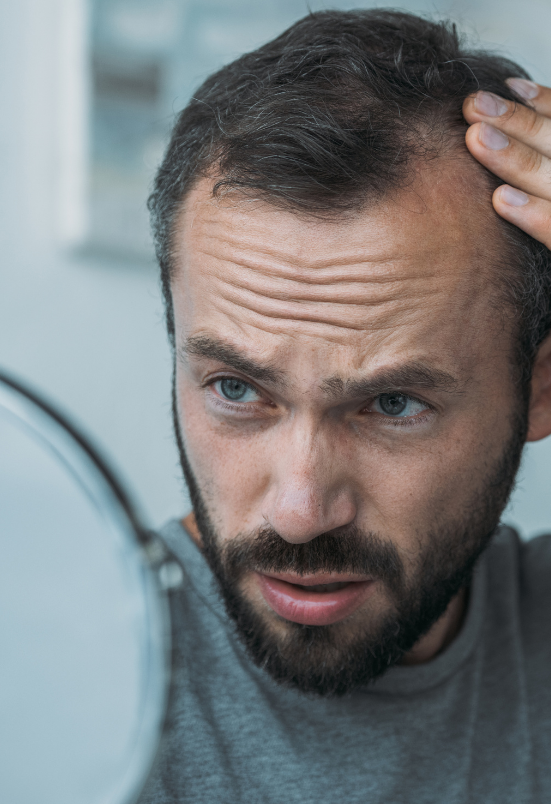
In men, it may appear as a receding hairline or gradual thinning around the crown. In women, widening of the hair part or reduced overall hair density may be more noticeable.
Because this type of hair loss is related to changes in the hair follicles, your scalp may look completely normal. The follicles gradually become smaller and produce thinner hairs over time.
Early evaluation can be helpful because treatment options depend on the cause and stage of hair loss.
3. Nutritional Deficiencies May Affect Hair Growth
Hair needs adequate nutrition to grow normally. Low levels or inadequate intake of nutrients such as iron, protein, zinc and certain vitamins may contribute to noticeable hair loss in some people.
Crash diets, restrictive eating patterns and rapid weight loss can also put additional stress on the body.
However, taking hair supplements without knowing whether you actually have a deficiency is not always the right approach. Excessive intake of some nutrients can itself cause problems, so supplements should ideally be considered based on individual needs and medical advice.
4. Thyroid or Hormonal Changes Can Cause Hair Thinning
Hormonal changes can influence hair growth.
Thyroid disorders, for example, may cause diffuse hair thinning or increased shedding. Some hormonal conditions, including PCOS, can also be associated with hair loss in women.
When hair fall continues without an obvious scalp problem, a dermatologist may consider your overall health, medical history and symptoms to determine whether further evaluation is appropriate.
5. Hair Damage Can Look Like Hair Loss
Sometimes what appears to be hair loss is actually hair breakage.
Frequent heat styling, chemical treatments, rough handling and certain hairstyles can weaken the hair shaft. Repeatedly wearing very tight hairstyles can also place tension on the hair follicles and contribute to traction alopecia.
Look for short broken hairs, split ends or thinning around areas where hair is repeatedly pulled.
6. Some Medical Conditions Can Cause Hair Loss Without Obvious Scalp Changes
Hair loss has many possible causes, including alopecia areata, infections, medication-related hair loss and inflammatory or scarring conditions.
Some conditions are easy to notice because they cause patches, scaling or inflammation. Others may initially present mainly as increased shedding or thinning.
That is why treating hair fall based only on what the scalp looks like can sometimes miss the underlying cause.
How Can You Tell What Is Causing Your Hair Fall?
The first step is identifying whether you are experiencing excessive shedding, hair breakage or true hair loss.
A dermatologist may ask when the problem started, whether it was sudden or gradual, whether you recently had an illness or major stress, what medications you take, your diet and family history of hair loss.
The scalp and hair can then be examined for clues. Depending on the suspected cause, a doctor may recommend additional tests, such as blood tests, or other investigations.
This is important because there is no single hair-loss treatment that works for every person or every cause.
What Can You Do About Hair Fall?
Start by avoiding random treatment based only on advertisements or social-media recommendations.
Instead:
- Follow a balanced diet with adequate protein and essential nutrients.
- Avoid very tight hairstyles that repeatedly pull on the hair.
- Reduce unnecessary heat and chemical damage.
- Do not start high-dose supplements without professional guidance.
- Pay attention to sudden or persistent changes in hair density.
- Consult a dermatologist if shedding continues or your hair is visibly thinning.
The earlier the underlying cause is identified, the more effectively an appropriate treatment plan can often be started.
When Should You See a Dermatologist for Hair Fall?
Consider consulting a dermatologist if you notice:
- Persistent or rapidly increasing hair shedding
- A widening hair part
- A receding hairline
- A bald or thinning patch
- Noticeably reduced hair density
- Hair loss after an illness, major stress or significant weight loss
- Hair fall accompanied by other symptoms
- Hair loss that does not improve despite changes in hair care
A dermatologist can help distinguish between normal shedding, temporary hair shedding, breakage and different types of hair loss.
Frequently Asked Questions About Hair Fall
1. Can hair fall happen even if the scalp looks completely healthy?
Yes. Conditions such as telogen effluvium and hereditary hair loss can cause increased shedding or gradual thinning without obvious scalp inflammation or infection.
2. How much hair loss is normal in a day?
Losing around 50 to 100 hairs a day can be part of normal hair shedding. Noticeably increased shedding or progressive thinning should be evaluated based on the overall pattern and symptoms.
3. Can stress cause hair fall?
Yes. Significant physical or emotional stress can trigger excessive hair shedding known as telogen effluvium. It may become noticeable several weeks or months after the triggering event.
4. Can nutritional deficiencies cause hair loss?
Inadequate intake or deficiency of nutrients such as iron, protein and zinc can contribute to hair loss. However, supplements should not be taken blindly because excessive amounts of some nutrients can also be harmful.
5. When should I see a dermatologist for hair loss?
You should consider a dermatology consultation if hair fall is persistent, suddenly increases, causes visible thinning or bald patches, or does not improve with basic hair-care changes. A dermatologist can investigate the underlying cause and recommend an appropriate treatment plan.
Internal Links
https://oswaljainskinclinic.com/
https://oswaljainskinclinic.com/contact
https://oswaljainskinclinic.com/blogs/
Take the Next Step for Persistent Hair Fall
A healthy-looking scalp does not always mean that your hair follicles are unaffected. Hair fall can have several causes, and the right treatment starts with understanding why the hair is falling in the first place.
If you are experiencing persistent shedding, thinning, a receding hairline or reduced hair density, consult Dr. Varun Jain at Oswal Jain Skin & Hair Clinic, Rohini for a professional evaluation and personalized hair-loss treatment plan.
Book your dermatology consultation today and take the first step toward understanding and managing your hair fall.