
How a Dermatologist in Rohini Diagnoses the Cause of Hair Fall
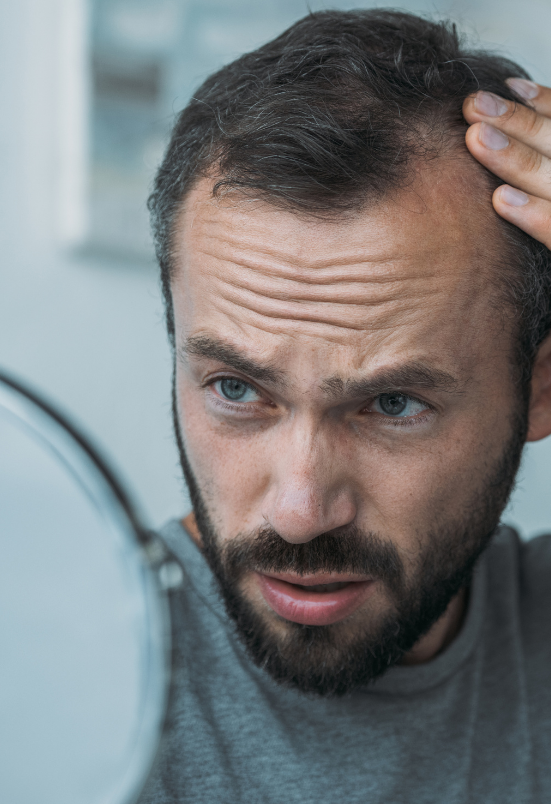
Hair fall is common, but the reason behind it is not always obvious. You may notice more hair on your pillow, comb or shower floor, yet your scalp may look completely normal. In other cases, you may notice thinning around the crown, a widening hair part, a receding hairline or small bald patches.
The important question is not only “How can I stop hair fall?” but also “Why is my hair falling out?”
A dermatologist can help identify whether you are experiencing excessive hair shedding, hair breakage, hereditary hair loss, a scalp condition or another type of hair disorder. Finding the underlying cause is an important first step because different types of hair loss require different approaches.
How Does a Dermatologist Diagnose Hair Fall?
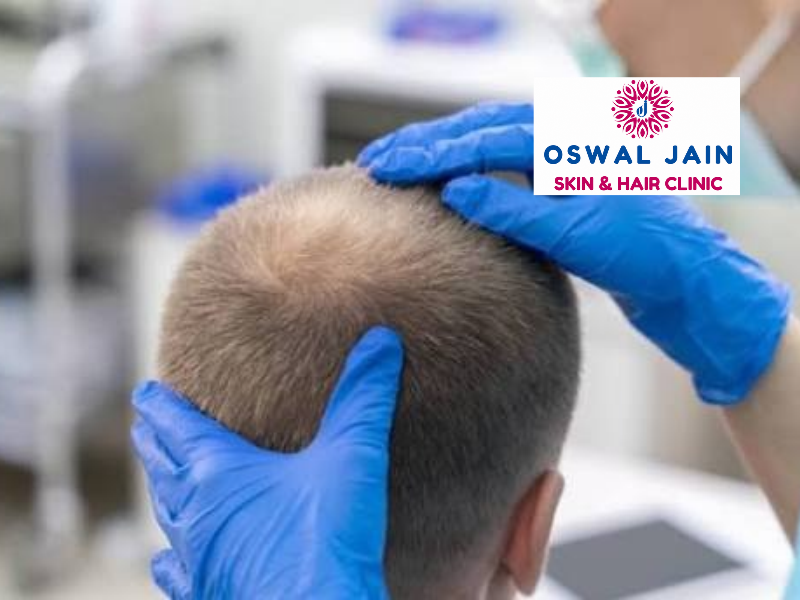
A dermatologist usually starts with your medical and hair-loss history, followed by a detailed examination of the scalp and hair. Depending on what is found, additional tests may sometimes be recommended.
The diagnosis is not based on one symptom alone. The pattern, timing, severity and possible triggers of your hair loss all provide important clues.
Step 1: Understanding When Your Hair Fall Started
The first part of a hair-loss consultation is usually a detailed discussion.
Your dermatologist may ask:
- When did you first notice increased hair fall?
- Did the hair shedding start suddenly or gradually?
- Are you losing hair from the entire scalp or only certain areas?
- Have you noticed a widening part or receding hairline?
- Have you recently had an illness, fever or surgery?
- Have you experienced significant stress or weight loss?
- Have you recently changed your diet or hair-care routine?
- Do close family members have a history of hair loss?
- Are you taking any medicines or supplements?
The timing can be particularly useful. For example, increased shedding can occur several months after certain physical or emotional stressors. This pattern may be different from gradual hereditary hair loss.
Step 2: Examining the Scalp and Hair
The appearance of your scalp can provide important clues.
A dermatologist may look for:
- Overall thinning
- Receding hairline
- Widening of the central part
- Bald patches
- Hair breakage
- Redness or scaling
- Signs of inflammation
- Changes around individual hair follicles
- Areas where the hair density is reduced
Some forms of hair loss have very subtle signs. Others may produce clearly defined patches or scalp changes.
A dermatologist may also examine the nails or other areas with hair loss when a particular condition is suspected.
Step 3: Differentiating Hair Shedding From Hair Loss
Not every hair found on your pillow means you have permanent hair loss.
Normal hair shedding is part of the hair-growth cycle. The American Academy of Dermatology notes that losing around 50 to 100 hairs per day can be normal. Excessive shedding, however, can occur after triggers such as significant stress, illness, high fever, surgery, childbirth or substantial weight loss.
A dermatologist can help distinguish excessive hair shedding from conditions where the hair follicles themselves are affected.
This distinction matters because the expected course and treatment can be different.
Step 4: Checking the Hair With a Pull Test
In some cases, a dermatologist may perform a gentle hair-pull test.
During this examination, a small group of hairs is gently pulled to assess how many hairs are released. This can provide information about the current stage of hair shedding.
It is only one part of the overall assessment and is interpreted alongside your history and scalp examination.
Step 5: Looking More Closely at the Scalp
A dermatologist may use magnification or a dermatoscope to examine the scalp and hair follicles more closely.
This can help identify patterns that may not be obvious during a normal visual examination. For example, dermoscopy can assist in evaluating certain forms of alopecia and other hair disorders.
This closer examination can be particularly useful when the cause of thinning is not immediately clear.
Step 6: Deciding Whether Blood Tests Are Needed
Blood tests are not automatically required for everyone with hair fall.
If your medical history or examination suggests that an underlying condition may be contributing to hair loss, your dermatologist may recommend appropriate tests.
Depending on the suspected cause, testing may help investigate issues such as nutritional deficiencies, hormonal or thyroid-related problems and other medical conditions associated with hair loss.
The important point is that tests should be selected according to the individual situation rather than ordering every possible test for every patient.
Step 7: Understanding the Pattern of Hair Loss
The pattern of thinning can help a dermatologist narrow down the possible cause.
Gradual thinning
Gradual thinning, a widening part or a receding hairline can be associated with hereditary hair loss.
Sudden increased shedding
Hair shedding that develops after an illness, high fever, major stress, surgery or significant weight loss may have a different cause.
Round or clearly defined bald patches
Sudden bald patches may suggest conditions such as alopecia areata and require appropriate evaluation.
Hairline thinning from tight hairstyles
Repeated pulling from tight hairstyles can cause traction alopecia. Early changes may be reversible, while prolonged traction can lead to permanent follicle damage.
These patterns show why simply choosing a hair-loss product without knowing the cause may not address the actual problem.
What Happens After the Diagnosis?
Once the likely cause of hair fall has been identified, the dermatologist can explain whether treatment is necessary and what options may be appropriate.
Some temporary types of excessive shedding may improve after the underlying trigger is addressed. Other conditions, including hereditary hair loss, may require ongoing treatment to help slow progression or support regrowth.
Treatment may involve medical therapies, changes in hair care, management of an underlying condition or other dermatological procedures depending on the diagnosis.
There is no single hair-loss treatment that works for every person. The appropriate approach depends on the type and cause of hair loss.
When Should You See a Dermatologist for Hair Fall?
Consider a dermatology consultation if you notice:
- Persistent or increasing hair shedding
- Gradual thinning of the scalp
- A widening hair part
- Receding hairline
- New bald patches
- Noticeable reduction in hair density
- Hair loss after an illness or major stress
- Scalp redness, scaling, pain or other unusual changes
- Hair loss that continues despite changing your hair-care routine
Early assessment can be useful because some forms of hair loss respond better when the underlying cause is identified and managed early.
Frequently Asked Questions About Hair Fall Diagnosis
1. How does a dermatologist find the cause of hair fall?
A dermatologist usually reviews your medical and hair-loss history and examines your scalp and hair. A hair-pull test, dermoscopic examination, blood tests or other investigations may be recommended when appropriate.
2. Do I need a blood test for hair loss?
Not everyone needs blood tests. They may be recommended when your history or examination suggests a medical condition, nutritional deficiency or hormonal issue could be contributing to hair loss.
3. Can a dermatologist tell the difference between hair shedding and hair loss?
Yes. A dermatologist can assess the pattern and amount of shedding and examine the scalp and hair to help distinguish excessive shedding from conditions involving ongoing hair loss.
4. Is hair loss always caused by a scalp problem?
No. Hair loss can have many causes, including hereditary factors, stress or illness-related shedding, hormonal changes, nutritional deficiencies, medications and certain hair-care practices. The scalp may not always show obvious changes.
5. When should I see a dermatologist for hair fall?
You should consider seeing a dermatologist when hair fall is persistent, rapidly increasing, causing visible thinning or bald patches, or accompanied by unusual scalp symptoms. Early diagnosis can help identify the cause and guide appropriate treatment.
Suggested Internal Links
Use these internal links naturally within the article:
- Hair Treatment in Rohini — https://oswaljainskinclinic.com/treatments/hair-treatments/
- Dr. Varun Jain – Dermatologist in Rohini — https://oswaljainskinclinic.com/
These links can help connect the informational article with the clinic’s commercial treatment and doctor-authority pages.
Get the Cause of Your Hair Fall Evaluated
Hair fall is not one single condition, and treating it effectively starts with understanding what is causing it. A healthy-looking scalp does not necessarily mean that everything is normal beneath the surface.
If you are experiencing persistent shedding, thinning, a receding hairline or bald patches, consider getting a professional evaluation rather than repeatedly changing hair products or supplements.
Book a consultation with Dr. Varun Jain at Oswal Jain Skin & Hair Clinic in Rohini to understand the possible cause of your hair fall and discuss a personalized treatment plan.