

If you are tired of shaving, waxing or repeatedly using other hair removal methods, you may be considering laser hair removal. But one question comes up again and again: Is laser hair removal permanent?
The short answer is that laser hair removal can provide long-term, and in many cases permanent, hair reduction, but it does not always mean that every hair will disappear forever after a few sessions.
Laser treatment works by targeting the pigment in the hair follicle. Repeated treatments can damage the follicles and significantly reduce hair growth. Any hair that grows back is often finer, lighter and less noticeable. Some people may also need maintenance sessions over time.
Is Laser Hair Removal Actually Permanent?
Laser hair removal is better understood as a treatment for long-term or permanent hair reduction rather than a guarantee that every hair will be removed forever.
The FDA definition of permanent hair reduction refers to a long-term, stable reduction in the number of hairs that regrow after completing a treatment regimen.
According to the American Academy of Dermatology, most patients require multiple treatments. After completing treatment, many people remain free of unwanted hair for months or even years, while some regrowth can occur and may require maintenance treatment.
So, if you are asking “Will laser hair removal stop hair growth permanently?”, the most accurate answer is: it can significantly and long-term reduce hair growth, but results vary from person to person.
How Does Laser Hair Removal Work?
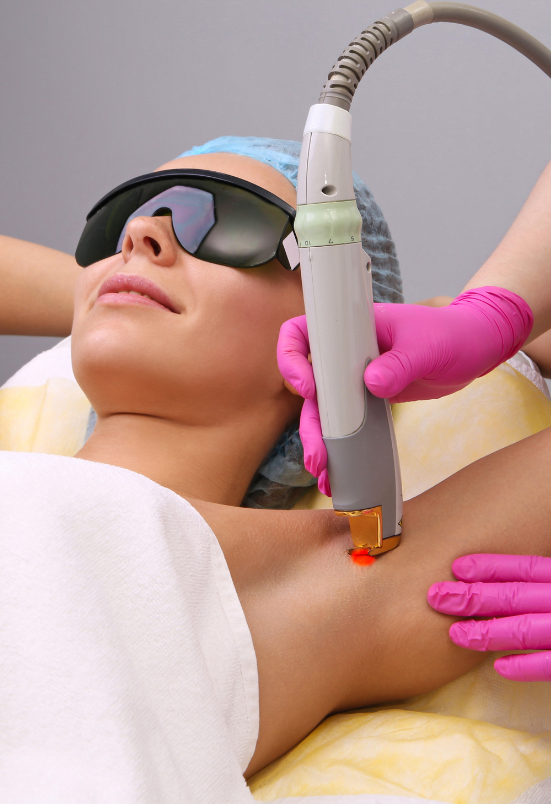
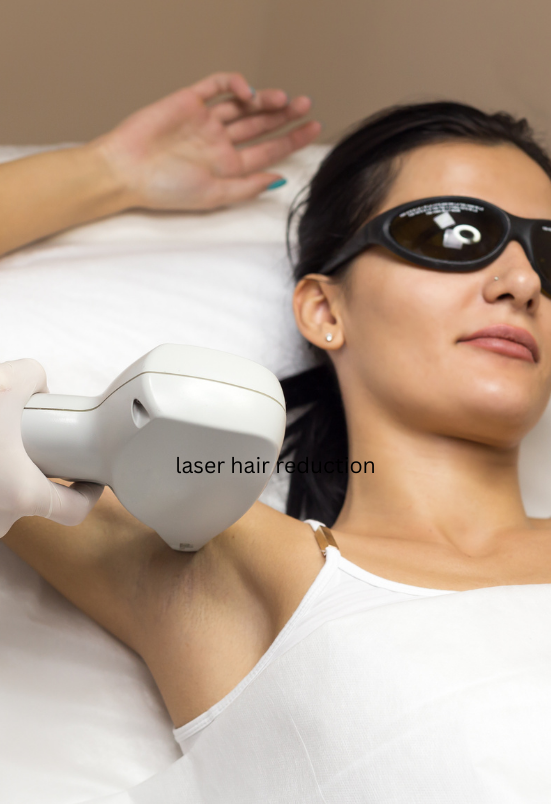
Laser hair removal uses concentrated light energy that is absorbed by the pigment in the hair.
The energy is converted into heat, which targets the hair follicle. When follicles are sufficiently affected, their ability to produce hair is reduced.
However, hair does not all grow at the same time. Hair follicles move through different growth phases, and laser treatment is more effective when the hair is in an appropriate active growth phase.
This is one reason why laser hair removal requires multiple sessions rather than a single treatment.
The exact number of sessions depends on factors such as hair thickness, hair colour, treatment area, skin colour and individual hair-growth patterns.
How Many Laser Hair Removal Sessions Are Needed?
There is no single number that works for everyone.
The American Academy of Dermatology notes that many patients need around 2 to 6 treatments, while its overview also notes that six or more sessions may be needed for some areas. The actual treatment plan should be decided after examining the hair and skin.
Treatment sessions are usually spaced several weeks apart. This allows the dermatologist to target hairs during suitable stages of their growth cycle.
For some people, additional maintenance treatments may be recommended when noticeable regrowth occurs.
Does Laser Hair Removal Work on Indian Skin?
Yes, laser hair removal can be performed on darker skin tones, but laser selection and treatment settings are particularly important.
Older laser technology was more limited for darker skin. Modern laser systems can be used safely across a wider range of skin tones when the treatment is properly selected and performed by an experienced professional.
For Indian skin, the goal is to achieve effective hair reduction while reducing the risk of burns or unwanted changes in pigmentation.
This is why laser hair removal should not be approached as a one-size-fits-all procedure. The dermatologist should consider your skin tone, hair colour, hair thickness and treatment area before selecting the appropriate settings.
What Results Can You Expect After Each Session?
Laser hair removal does not usually make all unwanted hair disappear immediately.
Some treated hairs may shed after the session, while others may become progressively finer with repeated treatments.
According to the American Academy of Dermatology, patients may see approximately 10% to 25% hair reduction after the first treatment, although individual results vary.
With subsequent sessions, the amount and thickness of regrowing hair may decrease.
It is important to have realistic expectations. The aim is usually significant, long-term reduction in unwanted hair, rather than promising that every follicle will be permanently inactive.
Is Laser Hair Removal Permanent on the Face?
Facial hair can be more complicated than hair on many body areas.
Hormonal factors can influence facial hair growth, particularly in women. Because of this, facial hair may require maintenance treatments even after a good initial response.
The American Academy of Dermatology notes that laser hair removal can provide permanent results on most areas of the body, but hormonal factors mean it is not considered permanent for a woman’s face in the same way.
If facial hair growth is sudden, excessive or associated with other hormonal symptoms, it may also be appropriate to discuss the underlying cause with a doctor rather than treating the hair alone.
Does Laser Hair Removal Hurt?
Most people describe the sensation as small warm pinpricks or the feeling of a rubber band snapping against the skin.
The level of discomfort can vary depending on the treatment area, hair thickness, laser settings and individual sensitivity.
Some patients may be offered a numbing gel, particularly when treating a small or sensitive area.
A cooling system or cooling method may also be used depending on the laser technology.
What Happens After Laser Hair Removal?
Mild redness and swelling around the treated hair follicles can occur after treatment. These effects commonly settle within a short period.
Most people do not require significant downtime and can return to normal activities, although the exact aftercare depends on the treatment and individual skin response.
Sun protection is particularly important after laser treatment. Your dermatologist may advise avoiding direct sun exposure, tanning and following specific skincare instructions after the procedure.
Are There Any Risks or Side Effects?
Laser hair removal is generally well tolerated when performed appropriately, but it is not completely risk-free.
Temporary redness, swelling and discomfort can occur. Less common complications can include blistering, infection, scarring and changes in skin colour.
The risk can increase when unsuitable settings are used or when the procedure is performed by someone without adequate experience.
This makes professional assessment especially important for people with darker skin tones or a history of pigmentation problems.
Who Is a Good Candidate for Laser Hair Removal?
Laser hair removal may be considered for people who want long-term reduction of unwanted facial or body hair.
A consultation is useful before starting treatment because the results depend on several factors, including:
- Skin tone
- Hair colour
- Hair thickness
- Treatment area
- Hair-growth cycle
- Hormonal factors
- Previous tanning or skin conditions
A dermatologist can assess these factors and explain what type of results you can realistically expect.
Frequently Asked Questions
1. Is laser hair removal 100% permanent?
No treatment can guarantee that every hair will disappear permanently. Laser hair removal can provide long-term or permanent hair reduction, but some hair may regrow and maintenance sessions may be required.
2. How many laser hair removal sessions are needed?
The number varies depending on the treatment area, hair type, skin tone and individual response. Many patients need multiple sessions, and maintenance treatments may be recommended later.
3. Does laser hair removal work on Indian skin?
Yes. Modern laser technology can be used for darker skin tones, but the laser type, settings and treatment technique need to be selected carefully to reduce the risk of skin damage or pigmentation changes.
4. Can laser hair removal permanently remove facial hair?
Laser treatment can significantly reduce facial hair, but hormonal factors may cause some regrowth, particularly in women. Maintenance treatments may therefore be needed.
5. Can I shave between laser hair removal sessions?
Yes, shaving is generally compatible with laser hair removal. However, your dermatologist may give specific instructions about how to prepare the treatment area before each session.
Recommended Internal Links
For stronger internal linking and topical relevance, connect this blog naturally to:
- Laser Hair Removal Treatment → Link to the laser hair removal service page
- Pigmentation Treatment in Rohini → Link to the pigmentation treatment page
- Skin Rejuvenation Treatment in Rohini → Link to the skin rejuvenation service page
- Dr. Varun Jain – Dermatologist in Rohini → Link to the doctor’s profile/about page
Final Takeaway
So, is laser hair removal permanent?
It can provide long-term and sometimes permanent reduction in unwanted hair, but the result is not the same as guaranteeing that every hair will never grow again. Multiple sessions are usually required, and some people may need maintenance treatment.
Your results depend on your hair, skin, treatment area, hormonal factors and the laser treatment plan. Choosing an experienced dermatologist is especially important when treating darker skin because incorrect treatment settings can increase the risk of burns or pigmentation changes.
If you are considering laser hair removal, consult Dr. Varun Jain at Oswal Jain Skin & Hair Clinic for an assessment of your skin and hair type and a treatment plan based on your individual needs.
Book a consultation to understand whether laser hair removal is suitable for you and what results you can realistically expect.