

Dr. Varun Jain’s Guide to Choosing the Right Skin and Hair Treatment in Rohini
Skin and hair concerns are rarely the same for everyone. Two people may have similar-looking acne, pigmentation or hair fall, but the underlying cause and the most suitable treatment can be completely different.
This is why choosing a skin or hair treatment should not start with simply asking, “Which treatment is the best?” A better question is: “Which treatment is right for my specific concern?”
At Oswal Jain Skin & Hair Clinic in Rohini, Dr. Varun Jain focuses on identifying the concern first and then planning treatment according to the patient’s skin, hair, condition and goals. The clinic provides dermatology care across skin, hair, laser and cosmetic concerns.
How Do You Choose the Right Skin or Hair Treatment?
The right treatment usually depends on four important factors:
- What is causing the problem?
- How severe or long-standing is it?
- What is your skin or hair type?
- Are there any medical, hormonal or lifestyle factors involved?
A treatment that works well for one person may not be appropriate for another. For example, persistent acne may need medical treatment rather than only a facial, while hair fall may require diagnosis before considering procedures such as PRP.
A dermatologist can examine the problem, identify possible causes and explain which treatment options are suitable.
Step 1: Identify the Actual Skin or Hair Concern
The first step is understanding exactly what you are trying to treat.
Common concerns include:
Acne and Pimples
Acne can range from occasional pimples to persistent inflammatory or cystic acne.
Treatment may depend on the type and severity of acne. Managing active acne is also important when someone has acne marks or scars because repeated inflammation can lead to additional skin changes.
If acne keeps returning despite using skincare products, a dermatology consultation can help determine whether you need a structured acne treatment plan.
Pigmentation and Dark Spots
Pigmentation can have different causes, including acne-related marks, sun exposure, melasma and other skin conditions.
Because the cause matters, simply using a strong “fairness” or pigmentation product may not be the right approach.
A dermatologist can determine the likely type of pigmentation and recommend appropriate options, which may include skincare, prescription treatments, chemical peels or selected procedures depending on the individual case.
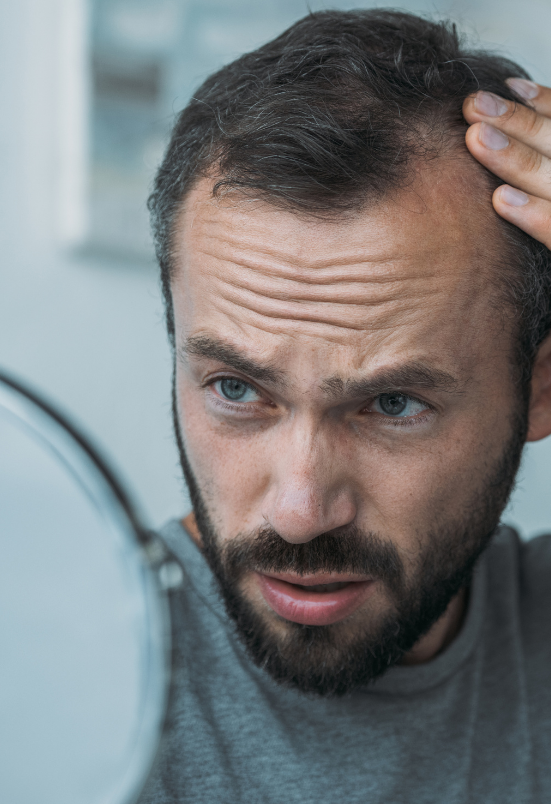
Hair Fall and Hair Thinning
Hair fall is another concern where identifying the cause is important.
Hair shedding can occur because of stress, illness, nutritional issues, hormonal changes, hereditary hair loss and other factors. A dermatologist may use medical history and scalp examination to determine what may be contributing to the problem.
Depending on the diagnosis, treatment may include medicines, scalp care, PRP or other hair-growth approaches.
Dandruff and Scalp Problems
Dandruff is common, but persistent itching, scaling, redness or excessive flaking may require more than a regular anti-dandruff shampoo.
A dermatologist can determine whether the problem is simple dandruff or another scalp condition and guide you towards appropriate treatment.
Step 2: Understand That Every Treatment Has a Purpose
One common mistake is choosing a treatment because it is popular rather than because it is suitable.
For example:
Laser hair removal is designed to reduce unwanted hair growth. It is not a treatment for every type of skin concern.
Chemical peels may be considered for selected pigmentation, acne or skin-texture concerns, but the type and strength need to be appropriate for the skin.
Laser resurfacing may be considered for certain scars, wrinkles and skin-texture concerns. It works differently from laser hair removal or pigmentation-focused procedures.
PRP and other hair-growth treatments may be considered for selected types of hair loss after evaluating the underlying problem.
The clinic currently lists acne and scar treatment, pigmentation treatment, laser hair removal, chemical peels, anti-ageing treatment, hair loss treatment and growth factor therapy among its popular treatments.
The important point is that the treatment should follow the diagnosis, not the other way around.
Step 3: Consider Your Skin Type and Hair Type
Your natural skin tone, sensitivity, hair colour, hair thickness and treatment area can influence which procedure is appropriate.
This is particularly important for laser treatments.
The American Academy of Dermatology recommends discussing factors such as skin colouring, hair colour and coarseness, expected results and potential side effects with a dermatologist before laser hair removal.
For people with darker or pigmentation-prone skin, treatment settings need to be selected carefully. Inappropriate laser treatment can cause burns or changes in skin colour, which is why professional assessment is important.
Step 4: Do Not Treat Every Problem With a Cosmetic Procedure
Not every skin or hair concern requires a procedure.
Sometimes the most appropriate first step may be a simple skincare routine or prescription treatment.
For example, if you have mild acne, your dermatologist may recommend topical treatment rather than immediately choosing a procedure.
Similarly, if your hair fall is related to an underlying condition, treating the cause may be more important than immediately choosing a cosmetic hair treatment.
A good treatment plan should consider both what improves the appearance of the problem and what addresses the reason it is happening.
When Should You See a Dermatologist?
You should consider consulting a dermatologist when a skin or hair concern:
- Keeps coming back
- Is getting worse
- Does not improve with basic skincare
- Causes pain, itching or significant irritation
- Is associated with sudden hair loss
- Leaves persistent pigmentation or scars
- Affects your confidence or daily routine
- Requires a laser, peel or other professional procedure
Early assessment can also prevent you from spending money on multiple products or treatments that may not be suitable for your concern.
How Does Dr. Varun Jain Approach Skin and Hair Treatment?
Dr. Varun Jain is an MBBS, MD Skin & VD dermatologist and Gold Medalist, with the clinic describing his practice as focused on personalized care for skin, hair and laser concerns. The clinic also lists 10+ years of experience in dermatology, cosmetology and skin procedures.
The clinic’s approach is centered on consultation, assessment and personalized treatment planning rather than using the same procedure for every patient.
This is particularly useful when someone has more than one concern—for example, acne with pigmentation, hair fall with dandruff, or acne scars with uneven skin texture.
What Should You Ask Before Starting a Skin or Hair Treatment?
Before starting any treatment, ask your dermatologist:
What is causing my problem?
Understanding the likely cause helps you make a more informed treatment decision.
What treatment options are available?
There may be more than one appropriate option, depending on your condition.
How many sessions or how long will treatment take?
Some treatments require multiple sessions, while others involve daily or regular medication.
What results can I realistically expect?
A professional consultation should help set realistic expectations rather than promise guaranteed results.
Are there any risks or side effects?
This is particularly important before laser treatments, peels and other procedures.
Should You Choose Treatment Based on Online Reviews or Before-and-After Photos?
Online reviews and photographs can help you understand other patients’ experiences, but they should not replace a medical consultation.
Before-and-after results can vary because of differences in skin type, hair type, condition severity, treatment plan and follow-up care.
The American Academy of Dermatology also recommends discussing expected results, potential side effects, treatment experience and whether another treatment might be more appropriate during a laser hair removal consultation.
The most useful question is therefore not simply “Which treatment gave someone else the best result?”
It is “Which treatment is appropriate for my condition?”
Frequently Asked Questions
1. How do I know which skin treatment is right for me?
The right treatment depends on the cause, severity and type of your skin concern. A dermatologist can examine your skin and recommend an appropriate treatment plan based on your individual needs.
2. Which treatment is best for hair fall?
There is no single hair fall treatment that works for everyone. Hair loss can have different causes, so diagnosis should come before choosing a treatment such as medication, PRP or other hair-growth procedures.
3. Can I choose a laser treatment without a consultation?
A consultation is recommended before laser treatment. Your dermatologist should assess factors such as your skin type, hair characteristics, treatment area and possible risks before selecting an appropriate treatment approach.
4. Is a cosmetic treatment suitable for everyone?
No. The suitability of a cosmetic procedure depends on your skin or hair condition, medical history, skin type, treatment goals and other individual factors. A dermatologist can help determine whether a procedure is appropriate.
5. Should I treat acne, pigmentation or acne scars first?
In many cases, controlling active acne is an important first step because continuing inflammation can contribute to new marks and scars. The exact sequence of treatment depends on the individual’s skin condition and should be decided after assessment.
Internal Links
https://oswaljainskinclinic.com/
https://oswaljainskinclinic.com/contact/
Final Takeaway
Choosing the right skin or hair treatment is not about finding one procedure that works for everyone. It starts with understanding the cause, condition and individual characteristics of your skin or hair.
Whether you are dealing with acne, pigmentation, scars, hair fall, dandruff, unwanted hair or signs of ageing, the right treatment plan should be based on professional assessment rather than trial and error.
At Oswal Jain Skin & Hair Clinic in Rohini, Dr. Varun Jain provides personalized dermatology care for skin, hair and laser concerns.
If you are unsure which treatment is right for your concern, book a consultation with Dr. Varun Jain to get your skin or hair evaluated and understand the treatment options suitable for you.