
Searching for a skin doctor near me is often the first step when a skin problem does not improve with basic skincare or home remedies. But which problems should actually be checked by a dermatologist?
A dermatologist is a medical doctor who specializes in diagnosing and treating conditions affecting the skin, hair and nails. Dermatologists manage a wide range of concerns, from acne and pigmentation to eczema, hair loss, infections and chronic skin conditions.
If you are unsure whether your skin problem needs professional treatment, this guide explains the common situations in which seeing a dermatologist can be helpful.
What Does a Dermatologist Treat?
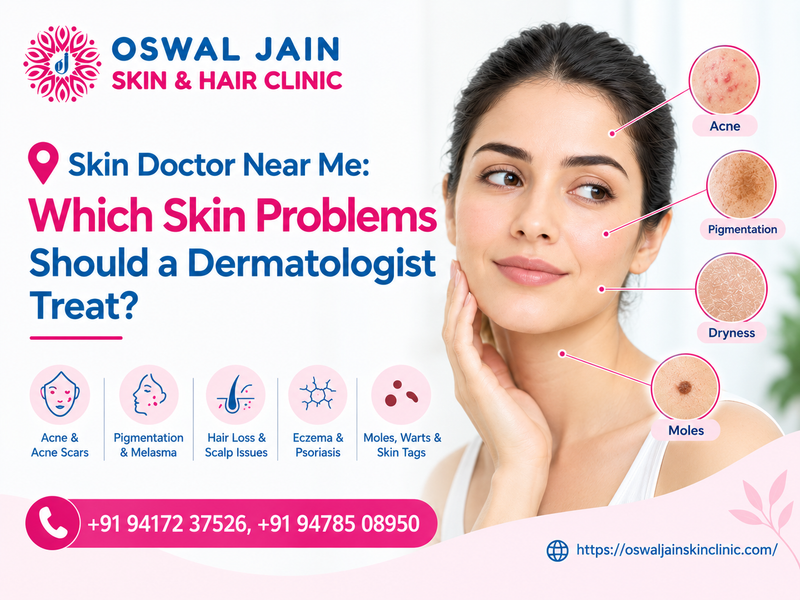
A dermatologist can diagnose and manage many medical and cosmetic skin concerns. These can include:
- Acne and recurring pimples
- Acne scars and dark marks
- Pigmentation and uneven skin tone
- Eczema and recurring rashes
- Skin allergies and itching
- Skin infections
- Psoriasis
- Hair fall and hair thinning
- Dandruff and scalp conditions
- Nail problems
- Unwanted hair
- Signs of skin ageing
- Certain cosmetic skin concerns
The important point is that similar-looking symptoms can sometimes have different causes. For example, an acne-like breakout may actually be another skin condition, while hair loss may result from several different causes. An accurate diagnosis can therefore be an important first step before choosing treatment.
1. Persistent Acne and Breakouts
Occasional pimples are common, but persistent or painful acne may need professional evaluation.
A dermatologist can identify the type and severity of acne and recommend treatment based on the individual patient’s skin and condition. Different types of acne may require different approaches.
You should consider consulting a dermatologist if:
- Acne keeps coming back
- Pimples are painful or deep
- Breakouts are leaving dark marks or scars
- Over-the-counter products are not helping
- Acne is affecting your confidence or daily life
Early management can also help reduce the risk of long-term acne scarring.
2. Pigmentation and Dark Spots
Uneven pigmentation can have many possible causes, including previous acne, sun exposure, inflammation and other skin conditions.
A dermatologist can examine the pattern and appearance of pigmentation before recommending treatment. Depending on the cause, management may involve skincare, prescription treatments or procedures such as chemical peels or laser-based treatments.
Avoid repeatedly trying strong products without knowing the cause of pigmentation. Irritation from unsuitable skincare can sometimes make pigmentation more noticeable.
3. Acne Scars and Uneven Skin Texture
Acne may disappear, but the marks or scars it leaves behind can remain much longer.
It is important to distinguish between post-acne pigmentation and true acne scars. Dark marks are different from depressed or raised scars, and treatment can therefore vary.
Depending on the type and severity of scarring, a dermatologist may consider treatments such as chemical peels, resurfacing procedures or other scar-focused treatments.
A consultation can help determine which type of scar you have and whether treatment is appropriate.
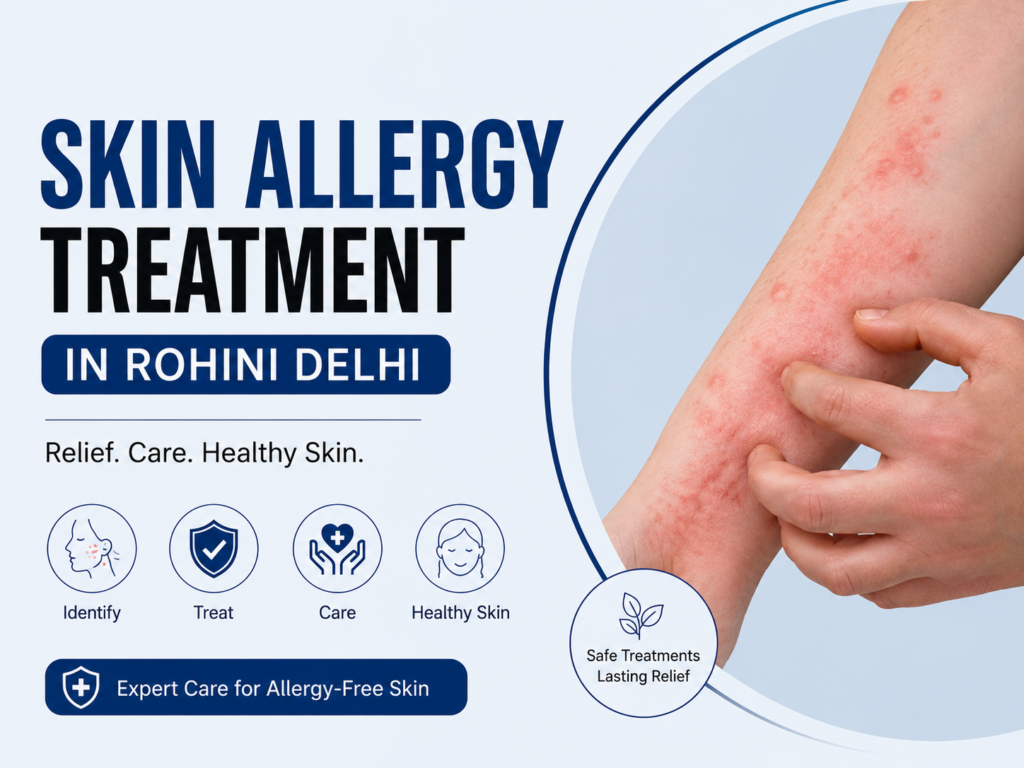
4. Persistent Itching, Rashes and Eczema
If your skin is repeatedly itchy, dry, red, inflamed or developing a rash, a dermatologist can help identify the cause.
Eczema is one example of a condition that can cause inflammation, dryness and itching. There are different types of eczema, and treatment depends on the individual’s condition.
You should consider seeing a skin specialist near me if your rash:
- Keeps returning
- Spreads to other areas
- Causes significant itching
- Becomes painful or swollen
- Develops cracks, oozing or other changes
- Does not improve with basic skincare
Repeatedly applying random creams without knowing the cause may not address the underlying problem.
5. Skin Allergies and Reactions
Sudden redness, itching, swelling, bumps or rashes can sometimes be related to an allergic or irritant reaction.
The trigger may be a skincare product, cosmetic, medication, environmental exposure or another factor. A dermatologist can evaluate the symptoms and medical history to help determine what may be causing the reaction.
If a skin reaction is severe or involves difficulty breathing, facial or throat swelling, or other signs of a serious allergic reaction, seek emergency medical care rather than waiting for a routine dermatology appointment.
6. Hair Fall and Hair Thinning
Dermatologists do not treat only the skin. They also diagnose and manage many hair and scalp conditions.
If you notice excessive shedding, thinning, bald patches or sudden changes in hair density, it is useful to identify the underlying cause before starting treatment.
During a hair-loss evaluation, a dermatologist may ask when the hair loss started and examine the scalp and hair. Depending on the suspected cause, additional tests may sometimes be required.
This is why searching for a hair doctor near me or a dermatologist experienced in hair loss can be more useful than simply trying multiple hair products.
7. Dandruff and Scalp Problems
Occasional flakes may seem minor, but persistent dandruff, scalp itching, redness or scaling can indicate an underlying scalp condition.
A dermatologist can examine the scalp and determine whether the symptoms are consistent with dandruff or another condition such as psoriasis, eczema or an infection.
If your scalp problem continues despite using an appropriate anti-dandruff shampoo, professional evaluation may help identify the reason.
8. Skin Infections
Certain bacterial, fungal or viral infections can affect the skin and may require medical treatment.
Signs such as spreading redness, persistent sores, unusual scaling, pus, swelling, pain or rapidly changing skin lesions should not simply be ignored.
The correct treatment depends on the cause. A dermatologist can examine the affected area and determine whether further testing or prescription treatment is required.
9. Psoriasis and Other Chronic Skin Conditions
Some skin conditions are long-term and may require ongoing management rather than a one-time treatment.
Psoriasis, for example, can affect the skin, scalp and nails. Dermatologists diagnose psoriasis by examining the affected areas and considering symptoms, medical history and other factors. In some cases, a skin biopsy may be needed.
A personalized treatment plan may then be developed according to the type, severity and location of the condition.
10. Cosmetic and Laser Skin Concerns
Dermatologists can also help with certain cosmetic concerns, including unwanted hair, pigmentation, scars, skin texture and signs of ageing.
However, a cosmetic procedure should not automatically be considered the right solution simply because it is popular.
The appropriate procedure depends on the condition being treated, your skin characteristics, medical history and treatment goals.
For example, Oswal Jain Skin & Hair Clinic lists laser hair reduction, Q-switch treatments, resurfacing and scar procedures among its laser treatment services.
When Should You See a Skin Doctor?
A simple rule is this: if a skin, hair or nail problem is persistent, recurring, worsening or affecting your daily life, consider getting it evaluated by a dermatologist.
You should also seek medical advice for sudden or unexplained changes, rapidly spreading rashes, unusual skin growths, significant hair loss or symptoms that do not improve with appropriate basic care.
Getting a diagnosis does not necessarily mean you will need an advanced procedure. Sometimes the most useful step is simply understanding what is causing the problem.
Why Diagnosis Matters Before Treatment
One of the biggest mistakes people make is treating a symptom without identifying its cause.
For example, not every facial breakout is acne. Similarly, not every itchy scalp is ordinary dandruff, and not every type of hair loss has the same cause.
A dermatologist can assess the symptoms and create a treatment approach based on the actual condition.
This can help you avoid unnecessary products and procedures and focus on treatment that is relevant to your concern.
Looking for a Skin Doctor Near Me in Rohini?
If you are searching for a skin doctor in Rohini, Oswal Jain Skin & Hair Clinic provides dermatology care for a range of skin, hair, nail, laser and cosmetic concerns.
The clinic is headed by Dr. Varun Jain, MBBS, MD Skin & VD, Gold Medalist, and provides personalized treatment planning for different dermatological concerns. The clinic’s services include acne, pigmentation, scars, hair fall, dandruff, eczema, allergies, infections and laser treatments.
The focus is on understanding the concern and selecting an appropriate treatment approach rather than treating every skin problem in the same way.
Frequently Asked Questions
1. What problems does a dermatologist treat?
A dermatologist treats conditions affecting the skin, hair and nails. Common concerns include acne, pigmentation, eczema, allergies, psoriasis, infections, hair loss, dandruff, scars and certain cosmetic concerns.
2. When should I see a skin doctor for acne?
Consider seeing a dermatologist if acne is persistent, painful, recurring, leaving scars or dark marks, or not improving with appropriate over-the-counter care.
3. Can a dermatologist treat hair fall?
Yes. Dermatologists diagnose and treat many causes of hair loss. They may examine the scalp and hair and recommend additional tests when needed to identify the cause.
4. Should I see a dermatologist for an itchy skin rash?
If an itchy rash is persistent, recurring, spreading, painful or not improving with basic care, a dermatologist can help identify its cause and recommend appropriate treatment.
5. Can a dermatologist treat cosmetic skin concerns?
Yes. Depending on their training and services, dermatologists may provide treatments for concerns such as pigmentation, acne scars, unwanted hair, skin texture and signs of ageing. The appropriate treatment depends on the individual’s skin and the specific concern.
Take the Next Step for Your Skin and Hair
Searching for a skin doctor near me is only the beginning. The more important step is finding a qualified dermatologist who can understand your concern, identify the possible cause and recommend an appropriate treatment plan.
If you are in Rohini and dealing with acne, pigmentation, scars, hair fall, dandruff, allergies, rashes or another skin or hair concern, consider getting a professional dermatology evaluation.
Book a consultation at Oswal Jain Skin & Hair Clinic to discuss your concern with Dr. Varun Jain and understand the treatment options suitable for your skin or hair.
Contact Info
1st Floor, 227/D-15, above Khowal Jewellers / Hum Sabki Rasoi, Ayodhya Chowk, Sector 3D, Rohini, Delhi – 110085
+91 94172 37526, +91 94785 08950
12:00 PM To 8:00 PM