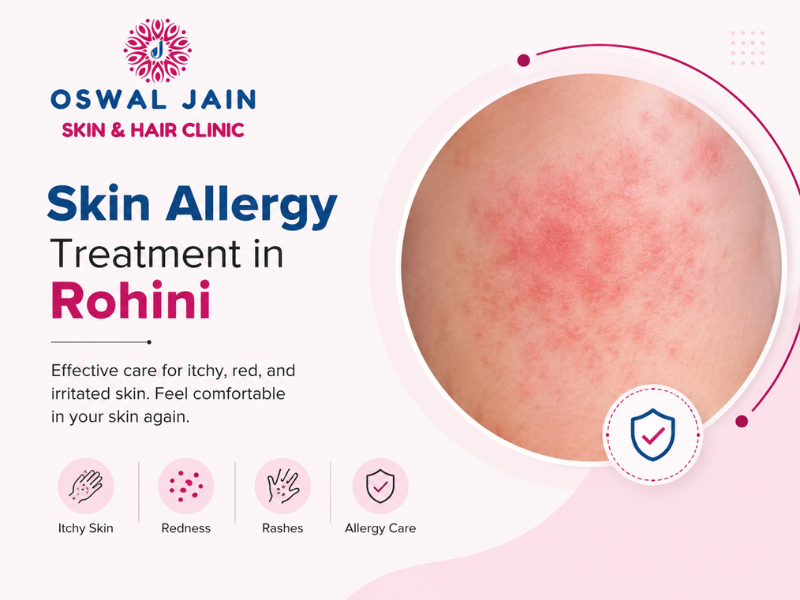

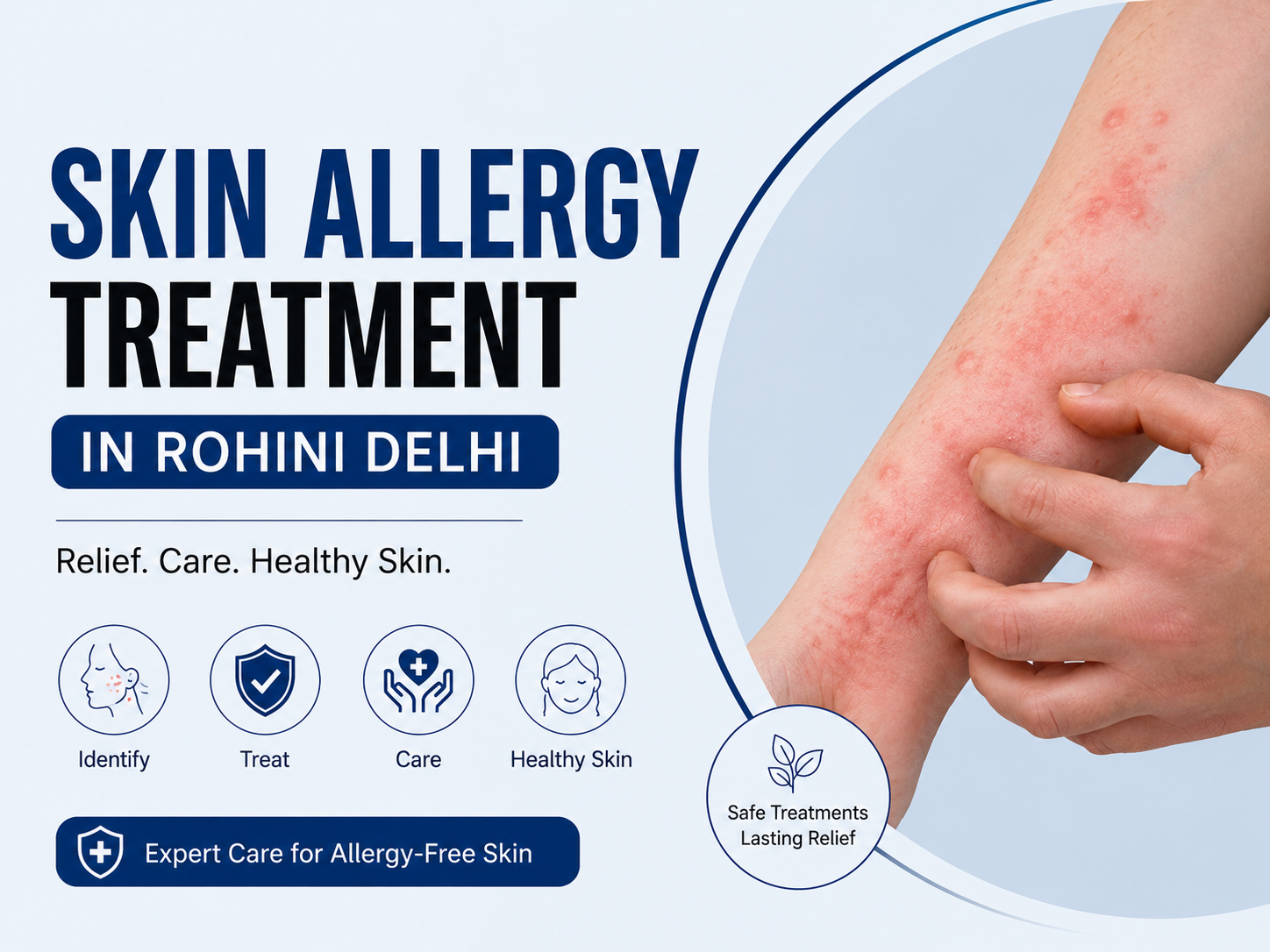
Skin allergies are far more than a minor inconvenience. When your immune system overreacts to a harmless substance, the results can range from mild irritation to severe, life-altering inflammation. Understanding which symptoms call for professional skin allergy treatment — and when to stop relying on home remedies — can protect you from complications that are entirely avoidable. If you are based in or around Rohini, Delhi, you have access to experienced dermatologists who can identify your triggers, confirm a diagnosis, and build a treatment plan designed specifically for your skin.
This guide walks you through the warning signs, the different types of skin allergies, and the clear indicators that it is time to book a dermatology appointment.
What Is a Skin Allergy and Why Does It Happen?
A skin allergy occurs when the immune system identifies a normally harmless substance — called an allergen — as a threat and mounts a defensive response. That response triggers the release of chemicals like histamine, which cause swelling, redness, itching, and other visible skin changes.
Common allergens include:
- Contact allergens – nickel in jewellery, latex, fragrances, preservatives in cosmetics
- Environmental allergens – pollen, dust mites, pet dander, mold spores
- Food allergens – nuts, shellfish, dairy, eggs, soy
- Medications – penicillin, aspirin, sulfa drugs
- Insect stings or bites
Genetic predisposition plays a significant role. If one or both parents have allergic conditions such as asthma, hay fever, or eczema, your own risk of developing a skin allergy is considerably higher.
Common Types of Skin Allergies
Atopic Dermatitis (Eczema)
Atopic dermatitis is a chronic inflammatory condition that typically begins in childhood but can persist into adulthood. The skin becomes dry, itchy, and prone to flare-ups triggered by sweat, stress, certain fabrics, or environmental changes. In Delhi’s fluctuating climate — from dry winters to humid monsoons — eczema patients often notice seasonal worsening.
Contact Dermatitis
This occurs when skin comes into direct contact with an allergen or irritant. Allergic contact dermatitis produces a delayed reaction, usually 24 to 72 hours after exposure, while irritant contact dermatitis appears more quickly. Rashes from costume jewellery, hair dye, or cleaning products are classic examples.
Urticaria (Hives)
Hives appear as raised, itchy welts that can occur anywhere on the body. They are often triggered by food, medications, infections, or stress. Acute hives resolve within six weeks; chronic hives persist longer and require thorough investigation.
Angioedema
Angioedema is deeper swelling beneath the skin, frequently affecting the lips, eyelids, throat, and tongue. When it involves the airway, it is a medical emergency.
Photoallergic and Phototoxic Reactions
Certain substances — including some sunscreens and medications — react with UV light to cause rashes, blistering, or hyperpigmentation on sun-exposed skin.
Skin Allergy Symptoms You Should Never Ignore
Not every rash warrants an emergency visit, but certain symptoms signal that professional evaluation is urgent.
1. Difficulty Breathing or Throat Tightness
If a skin reaction is accompanied by wheezing, throat tightness, difficulty swallowing, or a drop in blood pressure, you may be experiencing anaphylaxis — a life-threatening allergic reaction. Call emergency services immediately and use an epinephrine auto-injector if available.
2. Rapidly Spreading Rash
A rash that begins in one area and spreads across your body within hours suggests a systemic allergic reaction or a condition like Stevens-Johnson Syndrome, which requires urgent hospital care.
3. Blistering or Open Sores
Blisters filled with fluid, especially if they rupture and leave raw, painful skin, are never normal. This could indicate a severe drug reaction, pemphigus, or an infected eczema flare.
4. Swelling of the Face, Lips, or Eyes
Facial swelling — particularly around the eyes or mouth — that appears suddenly after eating, taking medication, or insect exposure requires immediate medical attention due to the risk of airway compromise.
5. Symptoms That Persist Beyond Two Weeks
A rash or itching that does not improve after two weeks of basic care is your body signalling that something more specific is needed. Continuing to ignore it increases the risk of secondary bacterial infection and chronic skin damage.
6. Signs of Skin Infection
Warning signs of infection include increasing redness, warmth, or swelling around the rash; yellow or green discharge; crusting with honey-coloured scales; and fever or chills. Infected eczema or hives can spread quickly and may need antibiotics alongside allergy treatment.
7. Severe Itching That Disrupts Sleep
Chronic, intense itching that prevents restful sleep affects your immune function, mental health, and overall quality of life. This level of severity almost always requires prescription-strength therapy.
When to Visit a Dermatologist for Skin Allergy Treatment
Many patients delay seeing a specialist because they assume their rash will resolve on its own, or they rely on over-the-counter antihistamines indefinitely.
A dermatologist in Rohini, Delhi can carry out patch testing, skin-prick testing, and blood work to identify your exact allergens — information that makes your treatment far more targeted and effective than a generic approach.
How Dermatologists Diagnose and Treat Skin Allergies
Diagnostic Tools
- Patch testing – Small amounts of common allergens are applied to the back under adhesive patches for 48 hours to identify contact allergens.
- Skin-prick testing – A small amount of allergen is introduced just under the skin’s surface to observe a reaction.
- Blood tests (specific IgE) – Measures immune system antibodies to particular allergens.
- Skin biopsy – In unclear cases, a small tissue sample can confirm the diagnosis under a microscope.
Treatment Options
Once a diagnosis is confirmed, a dermatologist may recommend one or more of the following:
- Topical corticosteroids – Reduce inflammation during flare-ups
- Topical calcineurin inhibitors – Non-steroidal option for sensitive areas like the face
- Oral antihistamines – Control itching and hives
- Oral or injectable corticosteroids – For severe, short-term control
- Biologics (e.g., dupilumab) – For moderate-to-severe atopic dermatitis unresponsive to conventional therapy
- Allergen immunotherapy – Gradual desensitisation to specific allergens over months or years
- Emollients and barrier repair creams – Essential for maintaining the skin’s protective function between flare-ups
The right combination depends on your specific allergen profile, the severity of your condition, your medical history, and your skin type.
Lifestyle Adjustments That Support Treatment
Medical treatment works best when paired with practical lifestyle changes:
- Identify and avoid your confirmed allergens using the results of allergy testing
- Switch to fragrance-free, hypoallergenic skincare and laundry products
- Wear loose, breathable cotton clothing to reduce skin irritation
- Keep your home well-ventilated and reduce dust mite exposure with allergen-proof covers
- Moisturise daily with a dermatologist-recommended emollient, especially after bathing
- Track flare-ups in a diary to spot patterns related to food, weather, stress, or products
Frequently Asked Questions
Can a skin allergy go away on its own without treatment?
Mild, acute reactions triggered by a single, identifiable exposure — such as a reaction to a new soap — may resolve once the allergen is removed. However, chronic or recurrent allergies rarely resolve without identifying the underlying trigger and receiving appropriate treatment. Delaying care often leads to worsening symptoms and secondary complications like skin infections.
Is skin allergy treatment in Rohini Delhi easily accessible?
Yes. Rohini is home to several well-equipped dermatology clinics and skin specialists. Residents across sectors in Rohini can access patch testing, allergy workups, and prescription therapies without travelling to central Delhi. Seeking a board-certified dermatologist ensures accurate diagnosis and medically sound treatment.
What is the difference between eczema and an allergic rash?
Eczema (atopic dermatitis) is a chronic condition involving a compromised skin barrier and immune dysregulation, often with a genetic component. An allergic rash, such as contact dermatitis or hives, is typically a direct immune response to a specific allergen. Both involve inflammation and itching, but their triggers, appearance, and long-term management differ. A dermatologist can distinguish between them through clinical examination and testing.
Can children develop serious skin allergies?
Absolutely. Atopic dermatitis commonly begins in infancy, and food-triggered hives are frequent in young children. Children with persistent or severe skin allergy symptoms should be evaluated by a paediatric dermatologist or allergist. Early intervention can reduce the risk of the condition progressing to asthma or allergic rhinitis — a progression sometimes called the atopic march.
Are over-the-counter antihistamines enough for managing skin allergies?
For mild, occasional reactions, over-the-counter antihistamines can provide temporary relief. However, they do not address the root cause of the allergy and are insufficient for chronic conditions like eczema, severe hives, or contact dermatitis. If you find yourself relying on antihistamines regularly, that is a strong signal to consult a dermatologist for a comprehensive evaluation.
Conclusion
Skin allergies exist on a wide spectrum — from a brief, self-limiting rash to a chronic condition that significantly impacts daily life. Recognising the symptoms that demand urgent attention, understanding the different types of skin allergies, and knowing when to move beyond home care are all critical steps toward healthier skin.
Professional skin allergy treatment combines accurate diagnosis through patch and allergy testing with personalised medical therapy and lifestyle guidance. Whether you are managing a newly developed reaction or a long-standing condition that has been difficult to control, a qualified dermatologist can provide targeted solutions that over-the-counter products simply cannot match. Residents in Rohini, Delhi are well-positioned to access this level of care — taking that step sooner rather than later makes a measurable difference to both your skin and your quality of life.
🌐 Visit our website:
https://oswaljainskinclinic.com/
📖 Explore more expert articles:
https://oswaljainskinclinic.com/