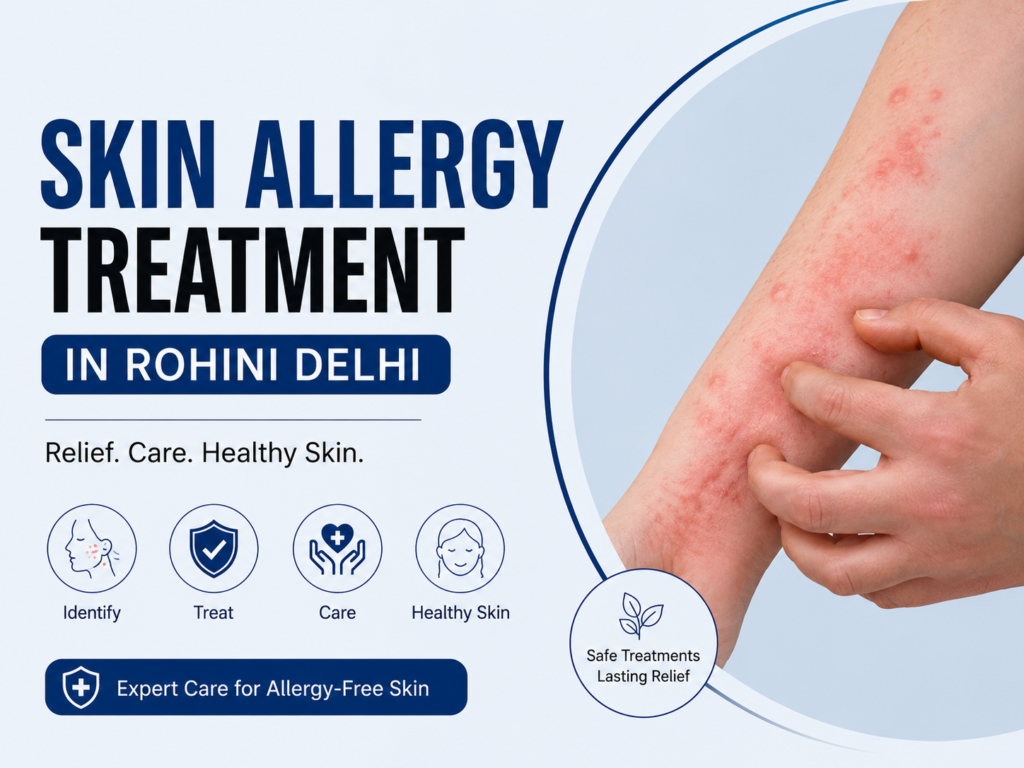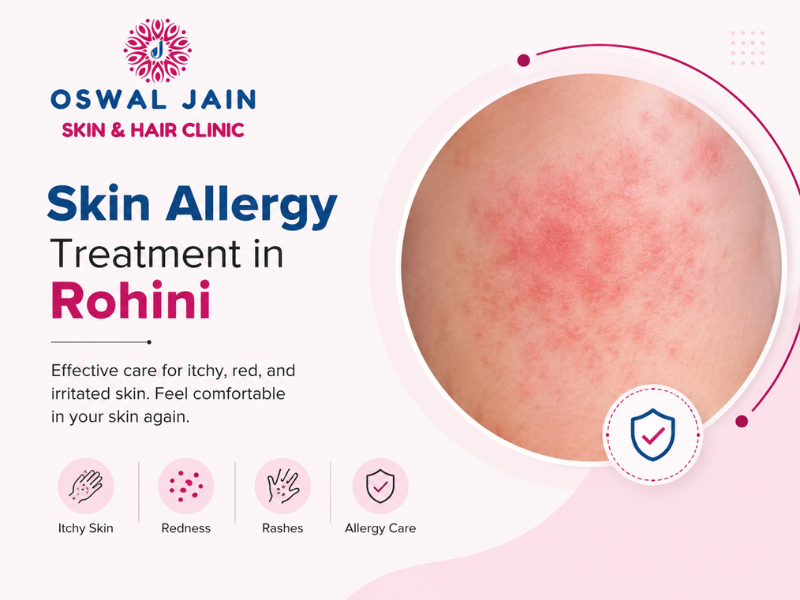


Your skin can change for many reasons. A new rash, sudden itching, unusual redness, unexplained pigmentation, bumps, swelling or a changing mole may sometimes be temporary. In other cases, these changes can point to an allergic reaction, infection, inflammation or another skin condition that needs medical attention.
So, when should you see a dermatologist for sudden skin changes?
A good rule is to pay attention when a skin change is sudden, persistent, spreading, painful, repeatedly returning or accompanied by other symptoms. Some warning signs, such as a rapidly spreading rash, blistering, fever, breathing difficulty or swelling of the lips or eyes, require prompt or emergency medical attention.
A dermatologist such as Dr. Varun Jain can examine the skin, identify possible causes and recommend appropriate treatment instead of relying on trial-and-error skincare.
What Counts as a Sudden Skin Change?
A sudden skin change can appear in many forms. You may notice:
- A new rash or red or dark patch
- Sudden itching or burning
- New bumps or swelling
- Blisters or fluid-filled lesions
- Unexpected dryness, peeling or scaling
- A sudden change in skin colour
- A new or changing mole
- A sore that does not heal
- Sudden facial redness
- Skin changes after starting a new product or medicine
The appearance of a skin problem can vary depending on your natural skin tone. For example, inflammation may appear red on some skin tones and darker, brown or purple on others. This is one reason why identifying a skin condition based only on photographs or online searches can be difficult.
When Should You See a Dermatologist for a New Rash?
Not every rash is an emergency, but some features should not be ignored.
The American Academy of Dermatology recommends medical attention for a rash that covers most of the body, spreads quickly, becomes painful, blisters or develops into open sores, occurs with fever or involves the eyes, lips, mouth or genital skin.
You should also consider a dermatology consultation if a rash keeps returning or does not improve with appropriate self-care.
For example, contact dermatitis can cause itching, swelling, burning, blisters or changes in skin colour. If the cause is not identified, repeated exposure to the trigger may cause the problem to continue.
7 Sudden Skin Changes You Should Not Ignore
1. A Rash That Is Spreading Quickly
A rash that suddenly spreads across different areas of the body deserves attention.
Rapidly spreading rashes can have different causes, ranging from allergic or inflammatory reactions to infections and other medical conditions. The appearance alone may not be enough to determine the cause.
If the rash is also painful, blistering or accompanied by fever, seek medical evaluation promptly.
2. Sudden or Severe Itching
Occasional itching is common, but sudden unexplained itching that is severe, affects your sleep or involves large areas of the body should be evaluated.
Mayo Clinic recommends medical evaluation when itching comes on suddenly without an obvious explanation, lasts more than two weeks despite self-care, affects the whole body or occurs along with symptoms such as fever, weight loss or night sweats.
Persistent itching can be associated with several skin conditions, including eczema, dermatitis and allergic reactions.
3. New Blisters, Open Sores or Peeling Skin
Blisters can occur because of irritation, allergies, infections, burns and several other conditions.
A rash that develops blisters or turns into open sores should not simply be treated with random creams. The American Academy of Dermatology lists blistering, open sores and raw skin among signs that a rash needs medical attention.
Large areas of blistering or peeling skin, especially when accompanied by fever or involvement of the mouth or eyes, require urgent medical care.
4. Painful, Warm or Swollen Skin
Skin that suddenly becomes painful, swollen or warm may need evaluation, particularly when these symptoms are getting worse.
If you also notice pus, yellow or golden crusting, increasing warmth, swelling or fever, an infection may be present.
Do not assume that every painful skin problem is simply an allergy or pimple.
5. A Mole That Looks Different
Most moles are harmless, but a mole that changes in appearance deserves attention.
Watch for changes in size, shape or colour. Itching or bleeding can also be warning signs that require examination.
The American Academy of Dermatology recommends that changing moles be examined by a dermatologist, particularly when they look different from other moles or develop symptoms such as itching or bleeding.
Do not try to diagnose a changing mole from photographs alone.
6. Sudden Pigmentation or Skin Colour Changes
Skin colour can change because of acne, sun exposure, inflammation, medications and several other causes.
For example, pigmentation may develop after an inflammatory skin condition has healed. However, unexplained or persistent changes should be evaluated when there is no clear cause.
This is particularly important when pigmentation develops suddenly, continues to spread or appears along with other symptoms.
A dermatologist can determine whether the change is related to post-inflammatory pigmentation, melasma, an inflammatory condition or another cause.
7. A New Skin Growth or Sore That Does Not Heal
A new bump, growth or persistent sore should be checked if it does not heal normally or continues to change.
Skin cancers can appear in different ways, including as a new growth, rough patch or sore that does not heal. A mole or skin growth that changes in size, colour or appearance should also be evaluated.
This does not mean that every new spot or bump is cancer. Most skin changes have other explanations. The important point is that a persistent or changing lesion should be assessed rather than ignored.
Can New Skincare Products Cause Sudden Skin Changes?
Yes.
A new cleanser, serum, cream, cosmetic, fragrance, hair product or other substance can trigger irritation or an allergic reaction in some people.
Contact dermatitis may cause itching, redness, swelling, burning, dryness, scaling or blisters. It can occur after exposure to cosmetics, fragrances, jewellery and many other substances.
If you notice a new reaction after introducing a product, stop using the suspected product unless it is a prescribed medication that your doctor has specifically advised you to continue.
If symptoms persist or return, a dermatologist can help identify the possible trigger and determine whether the problem is contact dermatitis or another skin condition.
When Is a Skin Rash an Emergency?
Some skin reactions require immediate medical attention.
Seek emergency care if a skin reaction is accompanied by:
- Difficulty breathing
- Difficulty swallowing
- Swelling of the lips, tongue or throat
- Severe facial swelling
- Fainting or severe dizziness
- A rapidly worsening severe allergic reaction
These can occur with anaphylaxis, which is a potentially life-threatening allergic reaction. Emergency treatment should not be delayed while waiting for a dermatology appointment.
Similarly, widespread blistering or peeling skin, especially with involvement of the mouth, eyes or other mucous membranes, requires urgent medical assessment.
Why Is Early Dermatologist Evaluation Important?
Many skin conditions can look similar at first.
An itchy rash could be caused by contact dermatitis, eczema, an infection, an allergic reaction or another condition. Similarly, pigmentation may have several possible causes.
Treating the wrong condition with random creams can delay appropriate care and sometimes irritate the skin further.
A dermatologist can assess the appearance, distribution, duration and associated symptoms before deciding on treatment.
This is particularly useful when a skin problem is new, persistent or repeatedly returning.
What Can You Do Before Your Dermatology Appointment?
If the condition is not an emergency, a few simple steps can make the situation easier to assess:
- Note when the skin change first appeared.
- Take clear photographs as the condition changes.
- Remember any new skincare, cosmetic or hair products.
- Note any new medicines or supplements.
- Avoid repeatedly applying multiple new products.
- Do not scratch, squeeze or pick affected areas.
- Tell your dermatologist if you have had similar episodes before.
These details can help the dermatologist understand possible triggers and how the condition has progressed.
Frequently Asked Questions
1. When should I see a dermatologist for a rash?
See a dermatologist if a rash is persistent, repeatedly returns, spreads, becomes painful, affects daily activities or does not improve with appropriate self-care. A rapidly spreading, blistering or painful rash with fever requires prompt medical attention.
2. Is sudden skin itching a reason to see a dermatologist?
Sudden unexplained itching should be evaluated if it is severe, affects your sleep or daily activities, involves much of the body or continues despite self-care. Itching accompanied by other symptoms may also require medical assessment.
3. When should I worry about a changing mole?
A mole should be examined if it changes in size, shape or colour, looks different from your other moles, starts bleeding or becomes itchy. A dermatologist can determine whether further evaluation is needed.
4. Can a new skincare product cause a rash?
Yes. Skincare products, cosmetics, fragrances and other substances can cause irritant or allergic contact dermatitis. Symptoms may include itching, burning, swelling, dryness, scaling or blisters.
5. Should I see a dermatologist for every new skin change?
Not necessarily. Many temporary skin changes are mild and resolve on their own. However, a new change that persists, spreads, becomes painful, repeatedly returns or is accompanied by other concerning symptoms should be evaluated by a healthcare professional.
Book your appointment –
https://oswaljainskinclinic.com/contact/
https://oswaljainskinclinic.com/about/
Contact Info
1st Floor, 227/D-15, above Khowal Jewellers / Hum Sabki Rasoi, Ayodhya Chowk, Sector 3D, Rohini, Delhi – 110085
+91 94172 37526, +91 94785 08950
12:00 PM To 8:00 PM
Final Takeaway
A sudden skin change does not automatically mean something serious. However, persistent, rapidly spreading, painful, blistering or unexplained changes should not be ignored.
The earlier the cause is identified, the easier it can be to choose appropriate treatment and avoid unnecessary experimentation with skincare products.
If you have a new rash, unexplained pigmentation, persistent itching, changing mole, unusual skin growth or another skin concern, consider getting it evaluated by a dermatologist.
For professional skin evaluation and personalized treatment, consult Dr. Varun Jain at Oswal Jain Skin & Hair Clinic in Rohini, Delhi.
Book a consultation to understand the cause of your skin changes and get a treatment plan suited to your condition.